Please note, tis is pre 2024 NSW council elections, to be updated! – we have yet to capture every council – a “Work In Progress” [in council name alphabetical order]
BLACKTOWN COUNCILLORS
tony.bleasdale@blacktown.nsw.gov.au, brad.bunting@blacktown.nsw.gov.au, chris.quilkey@blacktown.nsw.gov.au, jess.diaz@blacktown.nsw.gov.au, moninder.singh@blacktown.nsw.gov.au, julie.griffiths@blacktown.nsw.gov.au, Michael.Stubley@blacktown.nsw.gov.au, Kushpinder.Kaur@blacktown.nsw.gov.au, Allan.Green@blacktown.nsw.gov.au, kathie.collins@blacktown.nsw.gov.au, susai.benjamin@blacktown.nsw.gov.au, carol.israel@blacktown.nsw.gov.au, Bob.Fitzgerald@blacktown.nsw.gov.au, peter.camilleri@blacktown.nsw.gov.au, Livingston.Chettipally@blacktown.nsw.gov.au
To: Mayor & Councillor Tony Bleasdale, Deputy Mayor & Councillor Brad Bunting, Councillor Chris Quilkey, Councillor Jess Diaz, Councillor Moninder Singh, Councillor Julie Griffiths, Councillor Michael Stubley, Councillor Kushpinder Kaur, Councillor Allan Green, Councillor Kathie Collins, Councillor Susai Benjamin, Councillor Carol Israel, Councillor Bob Fitzgerald, Councillor Peter Camilleri, Councillor Livingston Chettipally
https://www.blacktown.nsw.gov.au/About-Council/How-we-work/My-Councillors
BLUE MOUNTAINS COUNCILLORS:
mgreenhill@bmcc.nsw.gov.au, sredshaw@bmcc.nsw.gov.au, hollywood@bmcc.nsw.gov.au, bchristie@bmcc.nsw.gov.au, kschreiber@bmcc.nsw.gov.au, svanopdorp@bmcc.nsw.gov.au, bhoare@bmcc.nsw.gov.au, cwest@bmcc.nsw.gov.au, dmyles@bmcc.nsw.gov.au, resage@bmcc.nsw.gov.au,mfell@bmcc.nsw.gov.au, nfisher@bmcc.nsw.gov.au
For attention: Cr & Mayor Mark Greenhill, Cr & Deputy Mayor Sarah Redshaw, Cr & Deputy Mayor Romola Hollywood, Cr & & Deputy Mayor Brendan Christie, Cr Kevin Schreiber, Cr Suzie Van Opdorp, Cr Brent Hoare, Cr Claire West, Cr Daniel Myles, Cr Roza Sage, Cr Mick Fell, Cr Nyree Fisher
https://www.bmcc.nsw.gov.au/councillors
BRYON COUNCILLORS
michael.lyon@byron.nsw.gov.au, sarah.ndiaye@byron.nsw.gov.au, alan.hunter@byron.nsw.gov.au, sama.balson@byron.nsw.gov.au, peter.westheimer@byron.nsw.gov.au, duncan.dey@byron.nsw.gov.au, asren.pugh@byron.nsw.gov.au, mark.swivel@byron.nsw.gov.au,
To: Mayor Michael Lyon, Cr. Sarah Ndiaye, Cr. Alan Hunter, Cr. Sama Balson, Cr. Peter Westheimer, Cr. Duncan Dey, Cr. Asren Pugh, Cr. Mark Swivel
https://www.byron.nsw.gov.au/Council/Mayor-and-councillors/Meet-our-Mayor-and-Councillors
CAMDEN COUNCILLORS
cr.fedeli@camden.nsw.gov.au, cr.farrow@camden.nsw.gov.au, cr.acagney@camden.nsw.gov.au, cr.mclean@camden.nsw.gov.au, cr.campbell@camden.nsw.gov.au, cr.zammit@camden.nsw.gov.au, cr.ccagney@camden.nsw.gov.au, cr.dommaraju@camden.nsw.gov.au, cr.symkowiak@camden.nsw.gov.au
To: Mayor & Cr Therese Fedeli, Deputy Mayor & Cr Paul Farrow, Cr Ashleigh Cagney, Cr Peter McLean, Cr Eva Campbell, Cr Russell Zammit, Cr Cindy Cagney, Cr Usha Dommaraju, Cr Lara Symkowiak
https://www.camden.nsw.gov.au/council/councillors/
CAMPBELLTOWN COUNCIL
george.greiss@campbelltown.nsw.gov.au,warren.morrison@campbelltown.nsw.gov.au,george.brticevic@campbelltown.nsw.gov.au,john.chew@campbelltown.nsw.gov.au,margaret.chivers@campbelltown.nsw.gov.au,masood.chowdhury@campbelltown.nsw.gov.au,joshua.cotter@campbelltown.nsw.gov.au,marian.george@campbelltown.nsw.gov.au,karen.hunt@campbelltown.nsw.gov.au,masud.khalil@campbelltown.nsw.gov.au,darcy.lound@campbelltown.nsw.gov.au,rey.manoto@campbelltown.nsw.gov.au,riley.munro@campbelltown.nsw.gov.au,meg.oates@campbelltown.nsw.gov.au, matt.stellino@campbelltown.nsw.gov.au
To: Mayor – Cr George Greiss, Deputy Mayor – Cr Warren Morrison, Cr George Brticevic, Cr John Chew, Cr Margaret Chivers, Cr Masood Chowdhury, Cr Joshua Cotter, Cr Marian George, Cr Karen Hunt, Cr Masud Khalil, Cr Darcy Lound, Cr Rey Manoto, Cr Riley Munro, Cr Meg Oates, Cr Matt Stellino
https://www.campbelltown.nsw.gov.au/CouncilandCouncillors/Councillors
CENTRAL COAST COUNCILLORS
Under Administration: “Mr Rik Hart is the Administrator for Central Coast Council”
We suggest emailing the council with Attention to Rik Hart: “The Administrator is here for residents to contact and engage with. The role acts as the Council and undertakes the responsibilities of the Mayor and Councillors representing the interests of residents and our communities. You can contact the Administrator by:
Email – theadministrator@centralcoast.nsw.gov.au
CESSNOCK COUNCILLORS
jay.suvaal@cessnock.nsw.gov.au, paul.dunn@cessnock.nsw.gov.au, james.hawkins@cessnock.nsw.gov.au, jessica.jurd@cessnock.nsw.gov.au, anthony.burke@cessnock.nsw.gov.au, john.moores@cessnock.nsw.gov.au, ian.olsen@cessnock.nsw.gov.au, karen.jackson@cessnock.nsw.gov.au, anne.sander@cessnock.nsw.gov.au, daniel.watton@cessnock.nsw.gov.au, rosa.grine@cessnock.nsw.gov.au, mitchell.hill@cessnock.nsw.gov.au, paul.paynter@cessnock.nsw.gov.au
To: Mayor & Councillor Jay Suvaal, Deputy Mayor & Councillor John Moores, Councillor Paul Dunn, Councillor James Hawkins, Councillor Ian Olsen, Councillor Jessica Jurd, Councillor Anthony Burke, Councillor Karen Jackson, Councillor Anne Sander, Councillor Daniel Watton, Councillor Rosa Grine, Councillor Mitchell Hill, Councillor Paul Paynter
https://www.cessnock.nsw.gov.au/Council/Councillors
COFFS HARBOUR COUNCILLORS
paul.amos@chcc.nsw.gov.au, george.cecato@chcc.nsw.gov.au, jonathan.cassell@chcc.nsw.gov.au, julie.sechi@chcc.nsw.gov.au, rodger.pryce@chcc.nsw.gov.au, sally.townley@chcc.nsw.gov.au, scott.wolgamot@chcc.nsw.gov.au, tegan.swan@chcc.nsw.gov.au, tony.judge@chcc.nsw.gov.au
To: Cr Paul Amos, Mayor, Cr George Cecato, Cr Jonathan Cassell, Cr Julie Sechi, Cr Rodger Pryce, Cr Sally Townley, Cr Scott Wolgamot, Cr Tegan Swan, Cr Tony Judge
https://www.coffsharbour.nsw.gov.au/Your-Council/About-Council/Councillors
CUMBERLAND COUNCIL
Lisa.Lake@cumberland.nsw.gov.au, Suman.Saha@cumberland.nsw.gov.au, Steve.Christou@cumberland.nsw.gov.au,Ola.Hamed@cumberland.nsw.gov.au, Joseph.Rahme@cumberland.nsw.gov.au, Diane.Colman@cumberland.nsw.gov.au, Greg.Cummings@cumberland.nsw.gov.au, Eddy.Sarkis@cumberland.nsw.gov.au, Glenn.Elmore@cumberland.nsw.gov.au, Kun.Huang@cumberland.nsw.gov.au, Sabrin.Farooqui@cumberland.nsw.gov.au, Helen.Hughes@cumberland.nsw.gov.au, Paul.Garrard@cumberland.nsw.gov.au, Mohamad.Hussein@cumberland.nsw.gov.au, Michael.Zaiter@cumberland.nsw.gov.au
To : Councillor Lisa Lake (Mayor), Councillor Suman Saha (Deputy Mayor), Councillor Steve Christou, Councillor Ola Hamed, Councillor Joseph Rahme, Councillor Diane Colman, Councillor Greg Cummings, Councillor Eddy Sarkis, Councillor Kun Huang, Councillor Sabrin Farooqui, Councillor Helen Hughes, Councillor Glenn Elmore, Councillor Paul Garrard, Councillor Mohamad Hussein, Councillor Michael Zaiter
https://www.cumberland.nsw.gov.au/mayor-and-councillors
FAIRFIELD CITY COUNCIL
fcarbone@fairfieldcity.nsw.gov.au, dle@fairfieldcity.nsw.gov.au, gbarcha@fairfieldcity.nsw.gov.au, rbarkho@fairfieldcity.nsw.gov.au, mkarajcic@fairfieldcity.nsw.gov.au, klam@fairfieldcity.nsw.gov.au, clazar@fairfieldcity.nsw.gov.au, kly@fairfieldcity.nsw.gov.au, mmijatovic@fairfieldcity.nsw.gov.au, hmorvillo@fairfieldcity.nsw.gov.au, arohan@fairfieldcity.nsw.gov.au, csaliba@fairfieldcity.nsw.gov.au, msaliba@fairfieldcity.nsw.gov.au
For attention: Mayor Frank Carbone, Deputy Mayor Dai Le, Councillor George Barcha, Councillor Reni Barkho, Councillor Milovan Karajcic, Councillor Kevin Lam, Councillor Carmen Lazar OAM, Councillor Kien Ly, Councillor Michael Mijatovic, Councillor Hugo Morvillo, Councillor Andrew Rohan, Councillor Charbel Saliba, Councillor Marie Saliba
https://www.fairfieldcity.nsw.gov.au/Your-Council/About-Council/Meet-your-Councillors
HORNSBY COUNCILLORS
pruddock@hornsby.nsw.gov.au, tsalitra@hornsby.nsw.gov.au, ntilbury@hornsby.nsw.gov.au, wwaddell@hornsby.nsw.gov.au, mball@hornsby.nsw.gov.au, smcclelland@hornsby.nsw.gov.au, jmcintosh@hornsby.nsw.gov.au, eheyde@hornsby.nsw.gov.au, vgreenwood@hornsby.nsw.gov.au, spillamarri@hornsby.nsw.gov.au
To: Mayor – The Honourable Philip Ruddock, Cr Tania Salitra, Cr Nathan Tilbury, Cr Warren Waddell, Cr Monika Ball, Cr Sallianne McClelland, Cr Janelle McIntosh, Cr Emma Heyde, Cr Verity Greenwood, Cr Sreeni Pillamarri,
https://www.hornsby.nsw.gov.au/council/about-council/councillors
INNER WEST COUNCIL
Darcy.Byrne@innerwest.nsw.gov.au, Philippa.Scott@innerwest.nsw.gov.au, Kobi.Shetty@innerwest.nsw.gov.au, John.Stamolis@innerwest.nsw.gov.au, Liz.Atkins@innerwest.nsw.gov.au, Pauline.Lockie@innerwest.nsw.gov.au, Chloe.Smith@innerwest.nsw.gov.au, Jessica.DArienzo@innerwest.nsw.gov.au, Mark.Drury@innerwest.nsw.gov.au, Dylan.Griffiths@innerwest.nsw.gov.au, Marghanita.Da.Cruz@innerwest.nsw.gov.au, Tim.Stephens@innerwest.nsw.gov.au, Mat.Howard@innerwest.nsw.gov.au, Justine.Langford@innerwest.nsw.gov.au, Zoi.Tsardoulias@innerwest.nsw.gov.au,
To: Mayor – Darcy Byrne, Deputy Mayor – Philippa Scott, Kobi Shetty, John Stamolis, Liz Atkins, Pauline Lockie, Chloe Smith, Jessica D’Arienzo, Mark Drury, Dylan Griffiths, Marghanita Da Cruz, Tim Stephens, Mat Howard, Justine Langford, Zoi Tsardoulias
https://www.innerwest.nsw.gov.au/about/the-council/mayor-and-councillors
KU-RING-GAI COUNCILLORS
jpettett@krg.nsw.gov.au, bward@krg.nsw.gov.au, gtaylor@krg.nsw.gov.au, slennon@krg.nsw.gov.au, sngai@krg.nsw.gov.au, ataylor@krg.nsw.gov.au, ckay@krg.nsw.gov.au, martinsmith@krg.nsw.gov.au, cspencer@krg.nsw.gov.au, kwheatley@krg.nsw.gov.au
To: Mayor Jeff Pettett, Deputy Mayor Barbara Ward, Cr Greg Taylor, Cr Simon Lennon, Cr Sam Ngai, Cr Alec Taylor, Cr Christine Kay, Cr Martin Smith, Cr Cedric Spencer, Cr Kim Wheatley
https://www.krg.nsw.gov.au/Council/Elected-Council/Mayor-and-Councillors
KYOGLE COUNCILLORS
crkylie.thomas@kyogle.nsw.gov.au, crtom.cooper@kyogle.nsw.gov.au, crjanet.wilson@kyogle.nsw.gov.au, crhayden.doolan@kyogle.nsw.gov.au, crjohn.burley@kyogle.nsw.gov.au, crrobert.cullen@kyogle.nsw.gov.au, crmaggie.may@kyogle.nsw.gov.au, crdanielle.mulholland@kyogle.nsw.gov.au, crjames.murray@kyogle.nsw.gov.au
Mayor & Cr Kylie Thomas, Deputy Mayor & Cr Tom Cooper, Cr Janet Wilson, Cr Hayden Doolan, Cr John Burley, Cr Robert Cullen, Cr Maggie May, Cr Danielle Mulholland, Cr James Murray
LANE COVE COUNCILLORS
azbik@lanecove.nsw.gov.au, kbryla@lanecove.nsw.gov.au, bkennedy@lanecove.nsw.gov.au, kmort@lanecove.nsw.gov.au, dbrookshorn@lanecove.nsw.gov.au, droenfeldt@lanecove.nsw.gov.au, msouthwood@lanecove.nsw.gov.au, sbennison@lanecove.nsw.gov.au, rflood@lanecove.nsw.gov.au
To: Mayor Andrew Zbik, Kathy Bryla, Bridget Kennedy, Katherine Mort, David Brooks-Horn, David Roenfeldt, Merri Southwood, Scott Bennison, Rochelle Flood
https://www.lanecove.nsw.gov.au/YourCouncil/YourCouncillors/Pages/default.aspx
LIVERPOOL COUNCIL
mayor@liverpool.nsw.gov.au, CllrHadid@liverpool.nsw.gov.au, CllrGoodman@liverpool.nsw.gov.au, CllrHagarty@liverpool.nsw.gov.au, CllrHarle@liverpool.nsw.gov.au,CllrKarnib@liverpool.nsw.gov.au, CllrRhodes@liverpool.nsw.gov.au, CllrAmmoun@liverpool.nsw.gov.au, CllrMacnaught@liverpool.nsw.gov.au, CllrKaliyanda@liverpool.nsw.gov.au, CllrGreen@liverpool.nsw.gov.au
To: Liverpool Mayor Ned Mannoun, Deputy Mayor Mazhar Hadid, Councillor Mel Goodman, Councillor Nathan Hagarty, Councillor Peter Harle, Councillor Ali Karnib, Councillor Karress Rhodes, Councillor Richard Ammoun, Councillor Fiona Macnaught, Councillor Charishma Kaliyanda, Councillor Betty Green
https://www.liverpool.nsw.gov.au/council/your-councillors
NEWCASTLE COUNCILLORS
lordmayor@ncc.nsw.gov.au, mail@ncc.nsw.gov.au, dclausen@ncc.nsw.gov.au, jmackenzie@ncc.nsw.gov.au, jchurch@ncc.nsw.gov.au, cduncan@ncc.nsw.gov.au, jebarrie@ncc.nsw.gov.au, cmccabe@ncc.nsw.gov.au, pwinneybaartz@ncc.nsw.gov.au, kwark@ncc.nsw.gov.au, mwood@ncc.nsw.gov.au, drichardson@ncc.nsw.gov.au, eadamczyk@ncc.nsw.gov.au, cpull@ncc.nsw.gov.au
To: Lord Mayor – Nuatali Nelmes, Councillor Declan Clausen, Councillor Dr John Mackenzie, Councillor John Church, Councillor Carol Duncan, Councillor Jenny Barrie, Councillor Charlotte McCabe, Councillor Peta Winney-Baartz, Councillor Katrina Wark, Councillor Margaret Wood, Councillor Deahnna Richardson, Councillor Dr Elizabeth Adamczyk, Councillor Callum Pull
https://newcastle.nsw.gov.au/council/councillors
NORTHERN BEACHES COUNCIL
Michael.Regan@northernbeaches.nsw.gov.au, Sue.Heins@northernbeaches.nsw.gov.au, Jose.Menano-Pires@northernbeaches.nsw.gov.au,
Stuart.Sprott@northernbeaches.nsw.gov.au, Candy.Bingham@northernbeaches.nsw.gov.au, Georgia.Ryburn@northernbeaches.nsw.gov.au,
Sarah.Grattan@northernbeaches.nsw.gov.au, Bianca.Crvelin@northernbeaches.nsw.gov.au, Vincent.DeLuca@northernbeaches.nsw.gov.au, Ruth.Robins@northernbeaches.nsw.gov.au, Kristyn.Glanville@northernbeaches.nsw.gov.au, David.Walton@northernbeaches.nsw.gov.au, Michael.Gencher@northernbeaches.nsw.gov.au, Miranda.Korzy@northernbeaches.nsw.gov.au, Rory.Amon@northernbeaches.nsw.gov.au,
To: Cr & Mayor Michael Regan, Cr & Deputy Mayor Sue Heins, Cr Jose Menano-Pires, Cr Stuart Sprott, Cr Candy Bingham, Cr Georgia Ryburn, Cr Sarah Grattan, Cr Bianca Crvelin, Cr Vincent De Luca, Cr Ruth Robins, Cr Kristyn Glanville, Cr David Walton, Cr Michael Gencher, Cr Miranda Korzy, Cr Rory Amon
https://www.northernbeaches.nsw.gov.au/council/your-elected-council
PARRAMATTA COUNCIL
lordmayor@cityofparramatta.nsw.gov.au, pandey@cityofparramatta.nsw.gov.au, pesber@cityofparramatta.nsw.gov.au, mgarrard@cityofparramatta.nsw.gov.au, kdarley@cityofparramatta.nsw.gov.au, lwearne@cityofparramatta.nsw.gov.au, cmaclean@cityofparramatta.nsw.gov.au, ahumphries@cityofparramatta.nsw.gov.au, gvaljak@cityofparramatta.nsw.gov.au, dwang@cityofparramatta.nsw.gov.au, hgreen@cityofparramatta.nsw.gov.au, pbradley@cityofparramatta.nsw.gov.au, pprociv@cityofparramatta.nsw.gov.au, dsiviero@cityofparramatta.nsw.gov.au, pnoack@cityofparramatta.nsw.gov.au
TO: Lord Mayor Donna Davis, Deputy Lord Mayor Sameer Pandey, Councillor Pierre Esber, Councillor Michelle Garrard, Councillor Kellie Darley, Councillor Lorraine Wearne, Councillor Cameron Maclean, Councillor Ange Humphries, Councillor Georgina Valjak, Councillor Donna Wang, Councillor Henry Green, Councillor Phil Bradley, Councillor Dr Patricia Prociv, Councillor Dan Siviero, Councillor Paul Noack
https://www.cityofparramatta.nsw.gov.au/council/lord-mayor-and-councillors
PENRITH COUNCIL
tricia.hitchen@penrith.city, todd.carney@penrith.city, jim@jimaitken.com.au, mark.davies@penrith.city, karen.mckeown@penrith.city, sue.day@penrith.city, mark.rusev@penrith.city, bernard.bratusa@penrith.city, robin.cook@penrith.city, marlene.shipley@penrith.city, glenn.gardiner@penrith.city, kevin.crameri@penrith.city, ross@rossfowler.com.au, john.thain@penrith.city, jonathan.pullen@penrith.city
To: Councillor Tricia Hitchen – Mayor, Councillor Todd Carney – Deputy Mayor, Councillor Jim Aitken OAM, Councillor Mark Davies, Councillor Karen McKeown OAM, Councillor Sue Day, Councillor Mark Rusev, Councillor Bernard Bratusa, Councillor Robin Cook, , Councillor Marlene Shipley, Councillor Glenn Gardiner, Councillor Kevin Crameri OAM, Councillor Ross Fowler OAM, Councillor John Thain, Councillor Jonathan Pullen
https://www.penrithcity.nsw.gov.au/council/council-business/mayor-and-councillors
RYDE COUNCIL
JordanL@ryde.nsw.gov.au, SYedelian@ryde.nsw.gov.au, BernardP@ryde.nsw.gov.au, KatieOr@ryde.nsw.gov.au, ShwetaDe@ryde.nsw.gov.au, PenelopeP@ryde.nsw.gov.au, RMaggio@ryde.nsw.gov.au, SophieLW@ryde.nsw.gov.au, CharlesSong@ryde.nsw.gov.au, DanielHan@ryde.nsw.gov.au, TrentonB@ryde.nsw.gov.au
To: Clr Jordan Lane – Mayor, Clr Sarkis Yedelian OAM – Deputy Mayor, Clr Bernard Purcell, Clr Katie O’Reilly, Clr Shweta Deshpande, Clr Penelope (Penny) Pedersen, Clr Roy Maggio, Clr Sophie Lara-Watson, Clr Charles Song, Clr Daniel Han, Clr Trenton Brown
https://www.ryde.nsw.gov.au/Council/Councillors/Councillors
SHOALHAVEN COUNCIL
amanda.findley@shoalhaven.nsw.gov.au, paul.ell@shoalhaven.nsw.gov.au, john.wells@shoalhaven.nsw.gov.au, matthew.norris@shoalhaven.nsw.gov.au, serena.copley@shoalhaven.nsw.gov.au, tonia.gray@shoalhaven.nsw.gov.au, evan.christen@shoalhaven.nsw.gov.au, greg.watson@shoalhaven.nsw.gov.au, john.kotlash@shoalhaven.nsw.gov.au, liza.butler@shoalhaven.nsw.gov.au, mark.kitchener@shoalhaven.nsw.gov.au, moo.dath@shoalhaven.nsw.gov.au, patricia.white@shoalhaven.nsw.gov.au
To: Mayor Amanda Findley, Deputy Mayor Paul Ell, Cr John Wells, Cr Matthew Norris, Cr Serena Copley, Cr Tonia Gray, Cr Evan Christen, Cr Greg Watson, Cr John Kotlash, Cr Liza Butler, Cr Mark Kitchener, Cr Moo D’Ath, Cr Patricia White
https://www.shoalhaven.nsw.gov.au/Council/Mayor-Councillors
CITY of SYDNEY COUNCIL
cmoore@cityofsydney.nsw.gov.au, SEllsmore@cityofsydney.nsw.gov.au, WChan@cityofsydney.nsw.gov.au, EDavis@cityofsydney.nsw.gov.au, LGannon@cityofsydney.nsw.gov.au, SMJarrett@cityofsydney.nsw.gov.au, rkok@cityofsydney.nsw.gov.au, LScott@cityofsydney.nsw.gov.au, JScully@cityofsydney.nsw.gov.au, YWeldon@cityofsydney.nsw.gov.au
To: Lord Mayor – Councillor Clover Moore, Deputy Lord Mayor – Councillor Sylvie Ellsmore, Councillor HY William Chan, Councillor (Waskam) Emelda Davis, Councillor Lyndon Gannon, Councillor Shauna Jarrett, Councillor Robert Kok, Councillor Linda Scott, Councillor Jess Scully, Councillor Yvonne Weldon
https://meetings.cityofsydney.nsw.gov.au/mgMemberIndex.aspx?bcr=1
RANDWICK COUNCILLORS
mayor@randwick.nsw.gov.au, rafaela.pandolfini@randwick.nsw.gov.au, kym.chapple@randwick.nsw.gov.au, bill.burst@randwick.nsw.gov.au, noel.dsouza@randwick.nsw.gov.au, christie.hamilton@randwick.nsw.gov.au, andrew.hay@randwick.nsw.gov.au, alexandra.luxford@randwick.nsw.gov.au, joanne.mccafferty@randwick.nsw.gov.au, kathy.neilson@randwick.nsw.gov.au, michael.olive@randwick.nsw.gov.au, daniel.rosenfeld@randwick.nsw.gov.au, danny.said@randwick.nsw.gov.au, philipa.veitch@randwick.nsw.gov.au, marea.wilson@randwick.nsw.gov.au
To: Cr Dylan Parker (Mayor), Cr Rafaela Pandolfini (Deputy Mayor), Cr Kym Chapple, Cr Bill Burst, Cr Noel D’Souza, Cr Christie Hamilton, Cr Andrew Hay, Cr Alexandra Luxford, Cr Joanne McCafferty, Cr Kathy Neilson, Cr Michael Olive, Cr Daniel Rosenfeld, Cr Danny Said, Cr Philipa Veitch, Cr Marea Wilson
https://www.randwick.nsw.gov.au/about-us/council-and-councillors/mayor-and-councillors
TWEED COUNCILLORS
ccherry@tweed.nsw.gov.au, rbyrnes@tweed.nsw.gov.au, rbrinsmead@tweed.nsw.gov.au, mdennis@tweed.nsw.gov.au, nfirth@tweed.nsw.gov.au, jowen@tweed.nsw.gov.au, wpolglase@tweed.nsw.gov.au
To: Chris Cherry Mayor & Councillor, Reece Byrnes Deputy Mayor & Councillor, Rhiannon Brinsmead Councillor, Meredith Dennis Councillor, Nola Firth Councillor, James Owen Councillor, Warren Polglase Councillor
https://www.tweed.nsw.gov.au/council/councillors-meetings/mayor-councillors
WOLLONGONG COUNCIL
EMAIL directly on their webpage ONLY IF YOU HAVE MS MAIL, NO CONTACT FORM
Try phone to obtain emails, even a general council email address (02) 4227 7111
Web chat: http://webchat.wollongong.nsw.gov.au/WebChat/Main.aspx…
Mayor & Councillor Gordon Bradbery, Councillor Mithra Cox, Councillor Janice Kershaw, Councillor Richard Martin, Councillor Cameron Walters, Councillor Cath Blakey, Councillor David Brown, Councillor Tania Brown (Deputy Lord Mayor), Councillor John Dorahy, Councillor Elisha Aitken, Councillor Linda Campbell, Councillor Dom Figliomeni, Councillor Ann Martin
https://www.wollongong.nsw.gov.au/your-council/your-council-officials




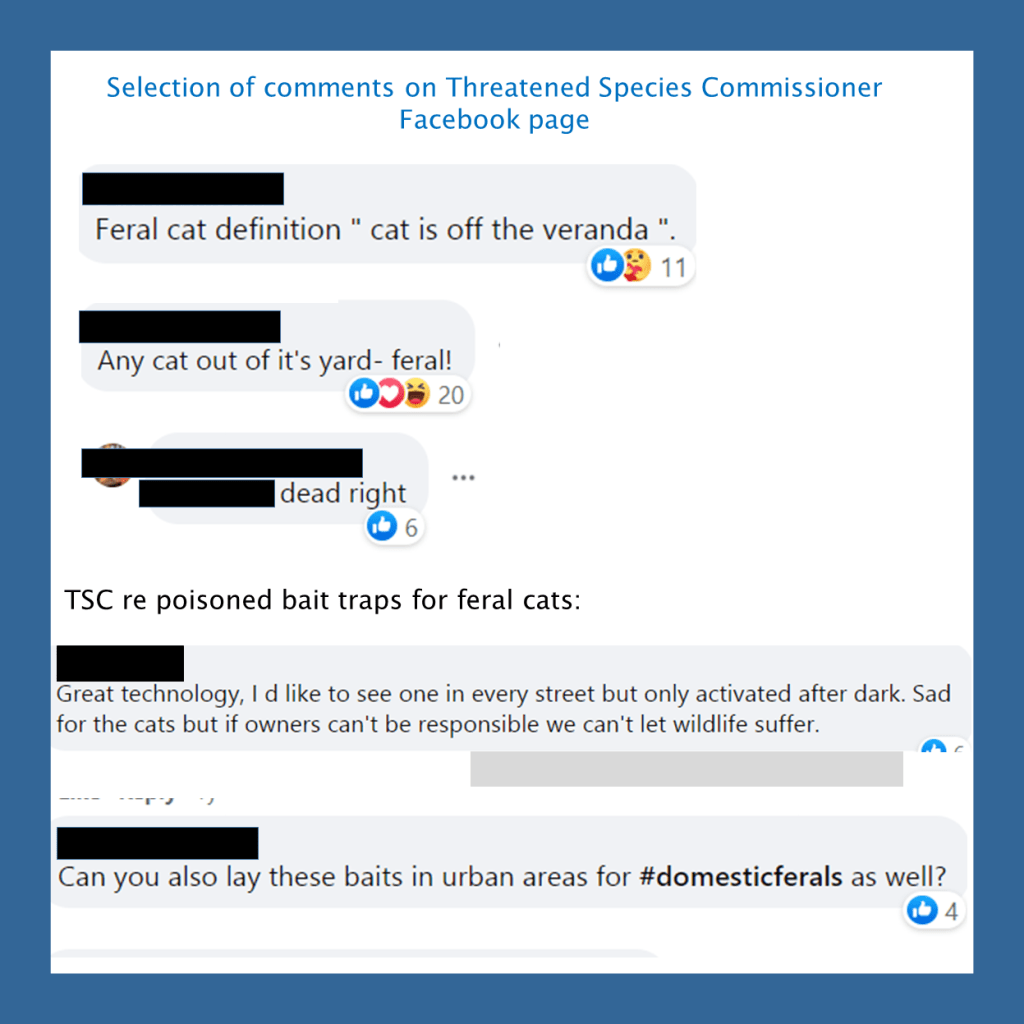
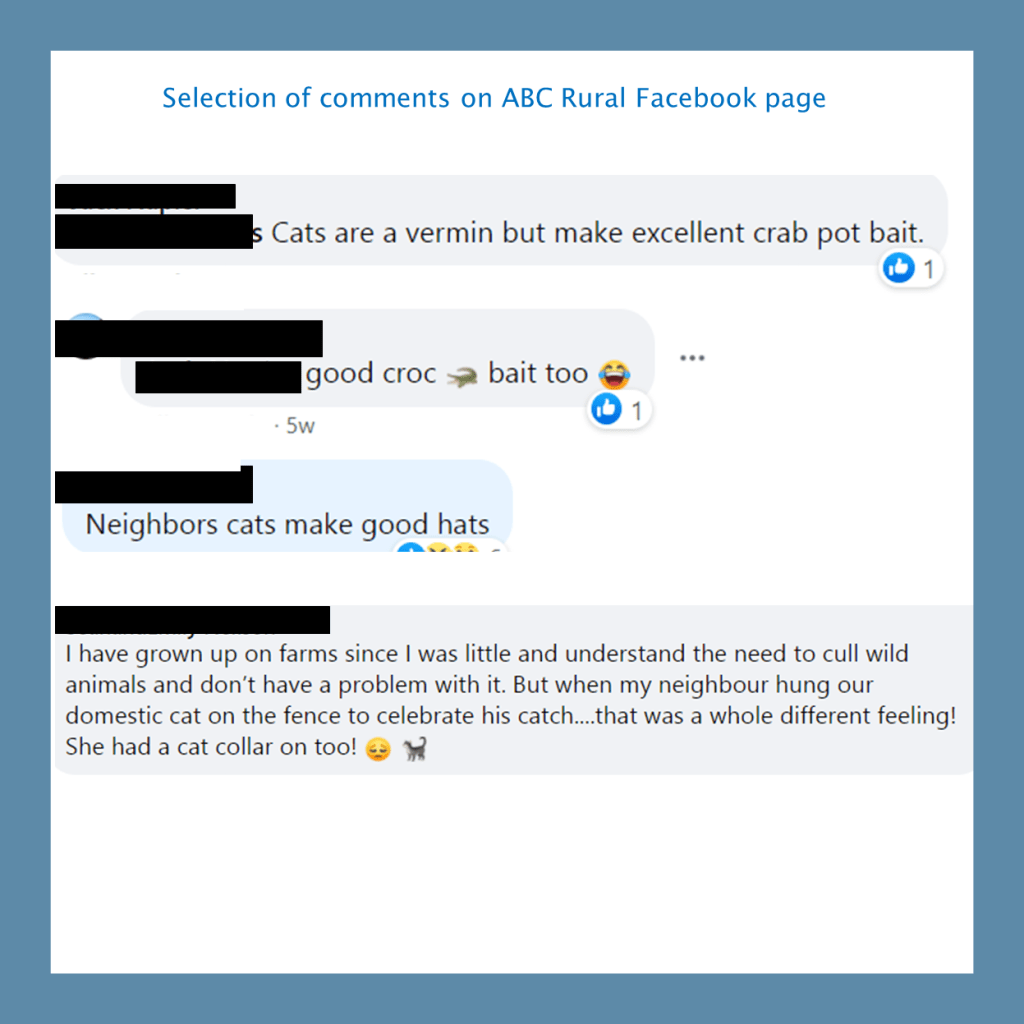
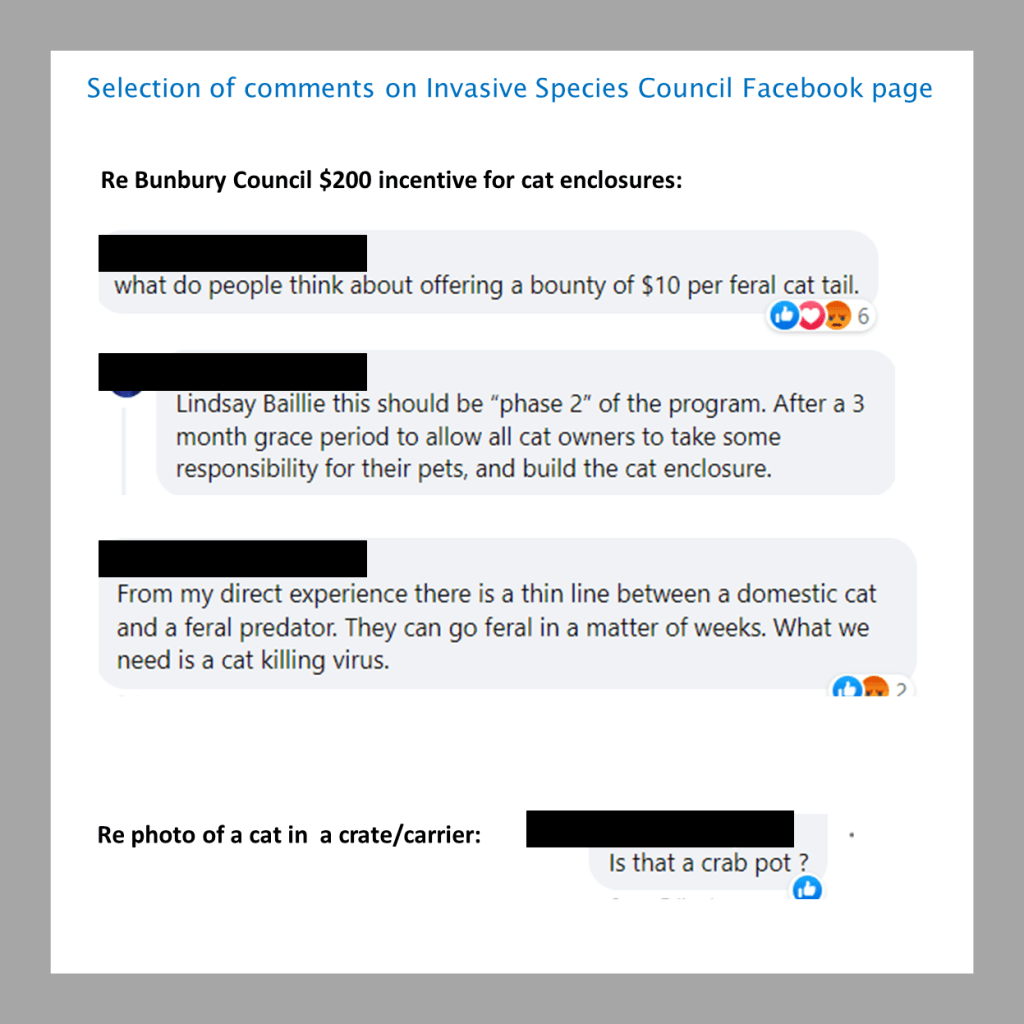
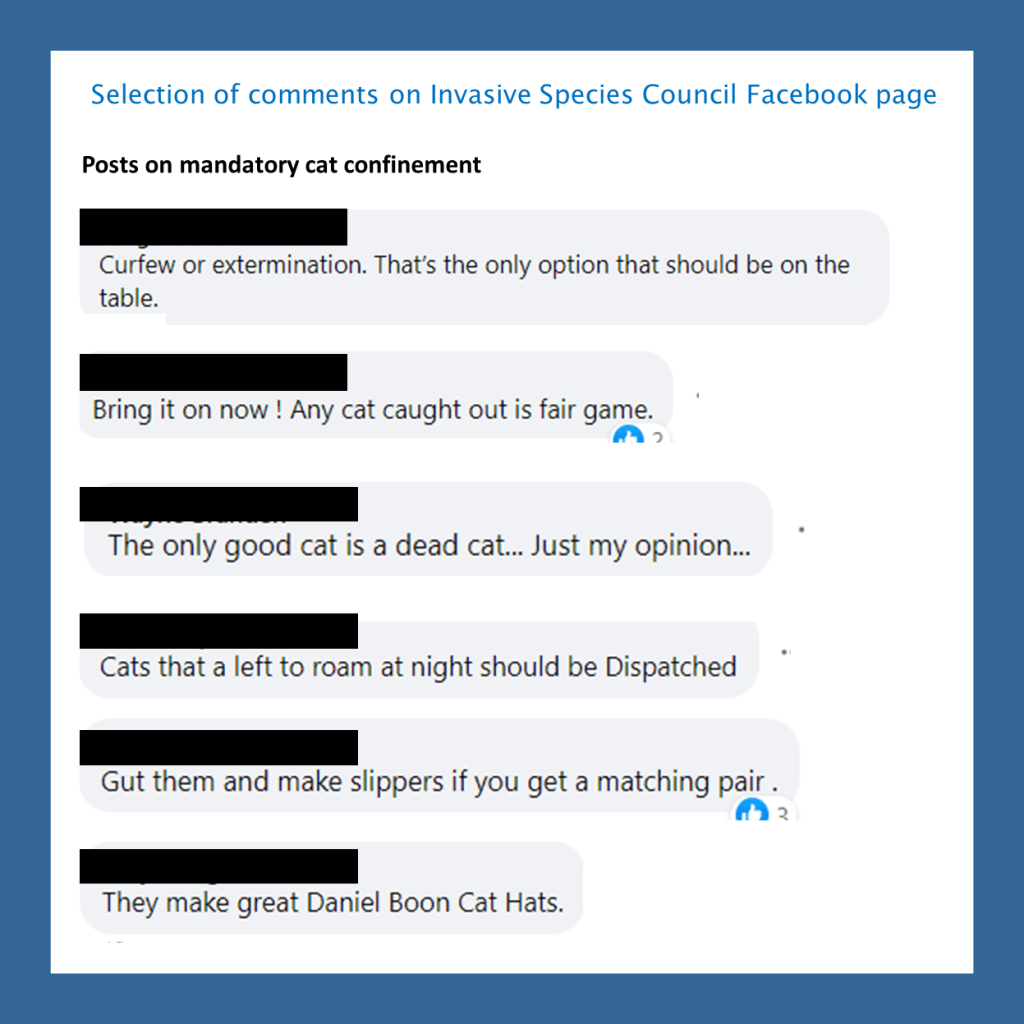









 LRC
LRC 