It appears that to date there has been little research based on scientific evidence of the impact of domestic cats in urban areas on wildlife. Australian Pet Welfare Foundation & Love Rescue Collaborate promote and encourage cat enclosures etc. However, there is not explicit research nor data gathering to indicate the domestic cat impact on wildlife, especially in urban areas where native wildlife is limited due to land clearing and lack of green corridors.
BAD/ POOR/ SHAKEY/ JUNK SCIENCE – too many assumptions, too little research evidence
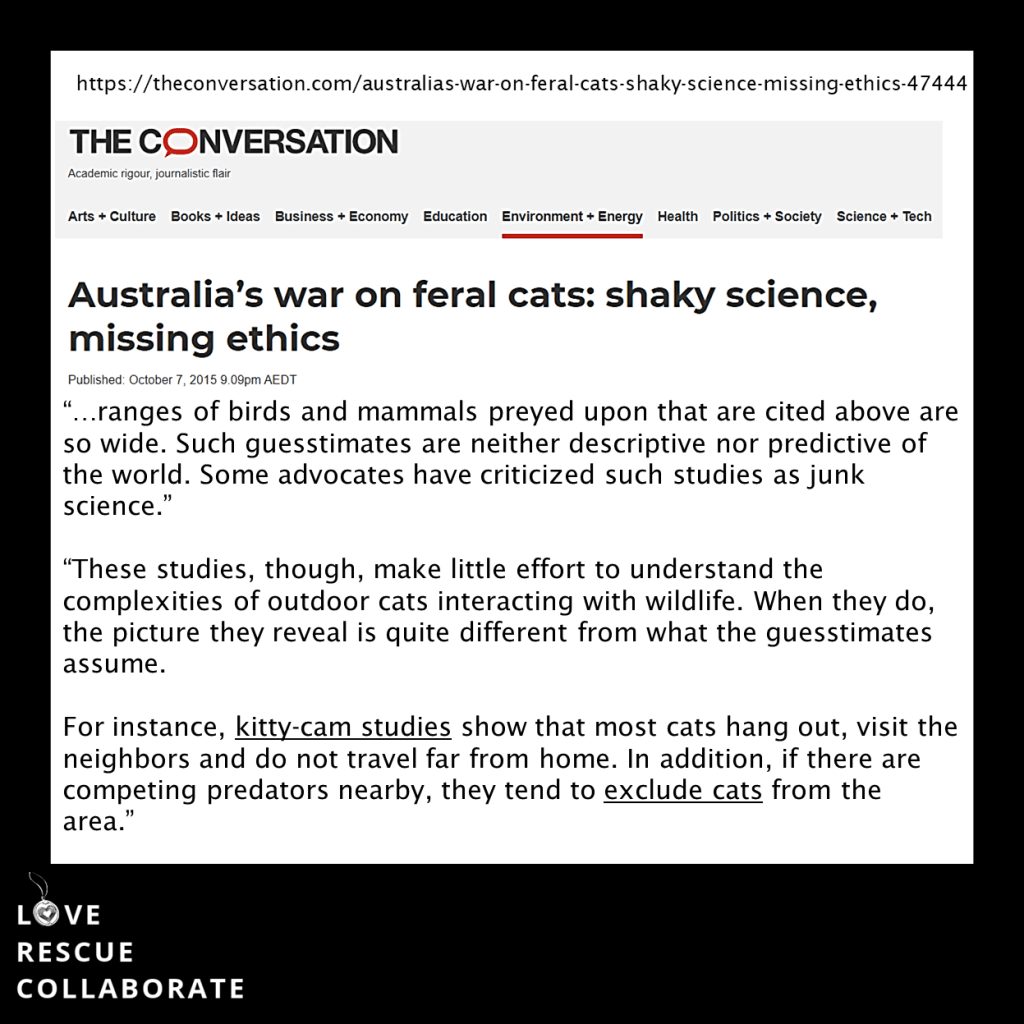
Therefore, does it appear that “bad / poor/ shaky/ junk” science has been applied with the high level of assumptions and little to no evidence based studies that are being used to spark / incite reactions about cats on wildlife, over other threats?
Are too many non-evidence based studies like the Sara Lea pastry: “layer upon layer” of assumptions?
APWF DOMESTIC CATS AND WILDLIFE POPULATIONS
The discrepancies from evidence based studies has been highlighted in the paper on “Domestic cats and wildlife populations” completed by the Australian Pet Welfare Foundation (APWF). This paper is included under reference information and was initially included for the consideration of Hornsby Council NSW.
“An ongoing issue is that feral cat impacts are often wrongly attributed to domestic cats, even though they are two very distinct populations with different behaviour and ecology”
“…there is actually no definitive scientific evidence demonstrating population viability or conservation impacts at a population level on Australian native animals by domestic cats living around people”
The APWF paper also indicates that the factors that did significantly impact native animals that could be measured in urban areas include:
vegetation quality,
housing density,
distance from bushland and
size of bushland
(from the Maclagan, Lilith and Grayson studies).
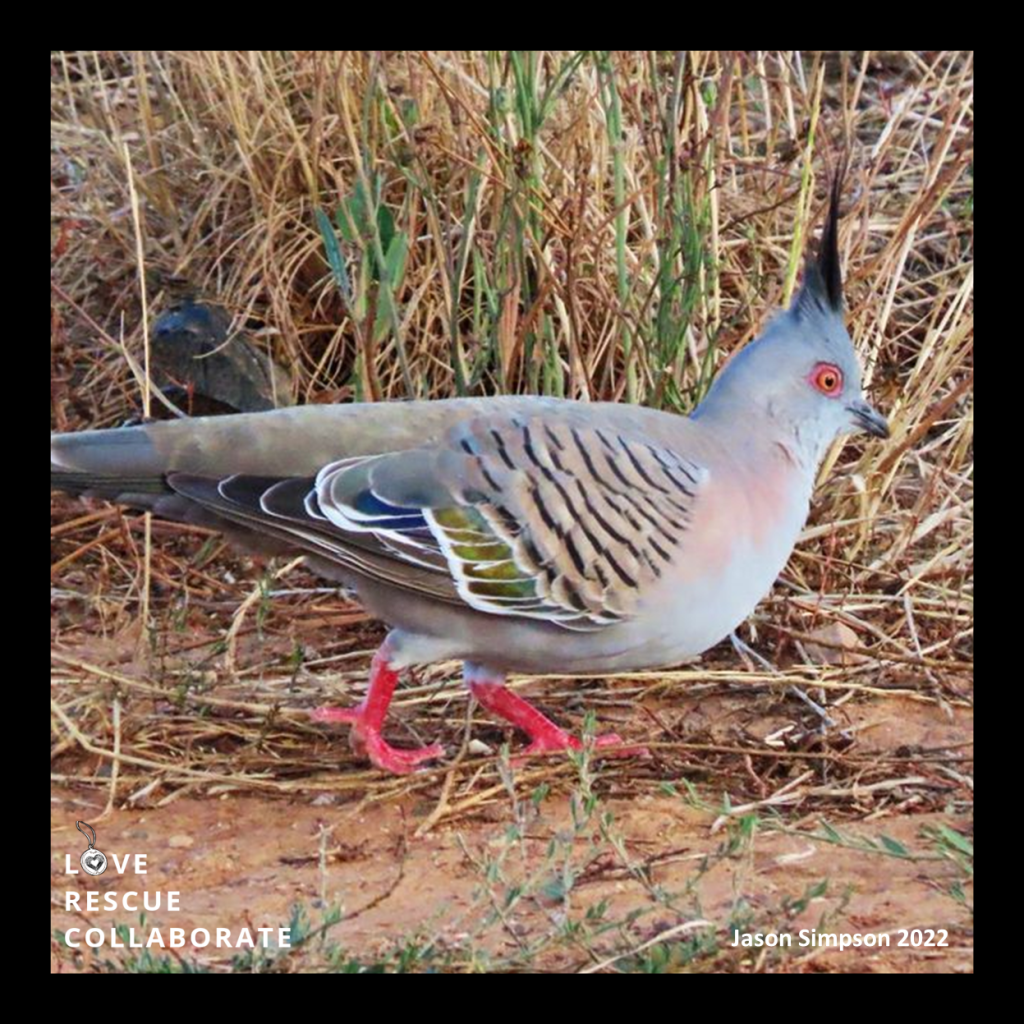
So, why is there so much focus on cats and not the other factors?
What about the cat restrictions being favoured by Australian councils?
The APWF paper includes the outcomes of the Lilth 2010 Australian study which analysed cat regulations in suburbs and impacts on species diversity and abundance. In brief, the measured (evidence based) findings include:
- in the cat regulated council areas there were no significant differences in species diversity nor numbers for the most abundant medium sized mammals ie the mandatory confinement was not proving to be highly beneficial for wildlife numbers, and
- in a non-regulated area, the smaller mardo was found, an animal which is potentially the most susceptible to cat predation, ie where mandatory confinement was not applied, native wildlife was still surviving.
The APWF points lead to the need for scientific measurements before and after trialling any regulations on cats and their owners, to evaluate the value and to have the opportunity to refine any rules or invest in other actions/ responses (e.g. fencing for critically threatened species).
AUSTRALIAN WILDLIFE CONVERSANCY: PROTECTIVE FENCING APPEARS THE MOST SUCCESSFUL TECHNIQUE FOR NATIVE WILDLIFE
“AWC is Australia’s leading proponent of conservation fencing, and have established a network substantial feral predator-free areas across mainland Australia.
Wildlife translocation and reintroduction programs conducted inside these fenced reserves are proven to be the most effective way of keeping native fauna safe and ecosystems intact.”
LRC RECOMMENDATIONS
With more work being completed on which native animals in each state/territory are most endangered / threated, we need to also see a holistic approach and integrated responses:
- Biodiversity research for each local government area plotting just where native animals most at risk are located – ie which areas need the greatest protection,
- Better responses to our most endangered / threated native animals from the state/territory government who control the allowed land clearing for developments,
- Better responses from our federal government, and state/territory, and local governments on climate change and its impacts being droughts, floods, fires, and
- Spending resources on techniques which are most successful to care for our native animals such as protective fencing.
REFERENCED INFORMATION
APWF DOMESTIC CATS AND WILDLIFE POPULATIONS
SHAKY SCIENCE & LACK OF ETHICS ON THE WAR ON CATS
https://theconversation.com/australias-war-on-feral-cats-shaky-science-missing-ethics-47444
AUSTRALIAN WILDLIFE CONVERSANCY Conservation fencing provides hope for threatened wildlife
 LRC
LRC 